
Newsletter Subscribe
Enter your email address below and subscribe to our newsletter


 ByJohn A
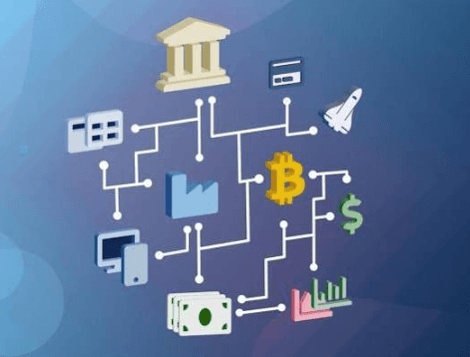
DeFi replaces traditional intermediaries with open networks and smart contracts. Users interact via non-custodial wallets to lend, borrow, trade, and provide liquidity through decentralized protocols. Collateral, oracles, and automated rules govern risk, rates, and liquidations. Governance tokens influence incentives, while code transparency attempts to curb opacity. Yet security gaps, liquidity fragility, and governance risks persist, demanding rigorous risk controls. The mechanisms are clear, but practical resilience remains uncertain, inviting closer scrutiny of where failures may occur next.
DeFi, or decentralized finance, refers to financial services built on open, programmable networks that operate without centralized intermediaries. It presents an alternative to traditional systems, emphasizing autonomy and resilience. Critics highlight governance ambiguity and security risk.
Proponents cite permissionless access and innovation. Decentralized governance and tokenomics dynamics shape incentives, yet volatility and unclear accountability remain points of scrutiny for freedom-oriented observers.
In decentralized finance exchanges, direct peer-to-peer trading is enabled by programmable liquidity pools, automated market makers, and smart contracts that execute trades without intermediaries. These mechanisms promote transparency, yet introduce complexity and risk.
Decentralized exchanges must manage liquidity fragmentation, slippage, and front-running. Proponents cite freedom from gatekeepers; skeptics warn of technical fragility, governance opacity, and reliance on robust security models for peer to peer trading.
See also: How Decentralized Finance Protocols Operate
Lending, borrowing, and stablecoins in DeFi operate on autonomous, programmable protocols that extend credit and maintain price stability without traditional intermediaries.
The system relies on collateralized lending mechanics to mitigate default risk, automated liquidations, and margin calls.
Stablecoin mechanics govern value retention through collateral ratios and oracles, while risks include liquidity shortages and protocol failure, warranting scrutiny of counterparty trust and governance controls.
Yield strategies in DeFi hinge on systematic risk management and disciplined return optimization, yet each approach embeds distinct exposure to volatility, liquidity, and protocol risk.
In practice, yield optimization encounters fluctuating APYs, while risk controls attempt to bound drawdowns.
Liquidity farming exposes impermanent loss, necessitating hedging strategies, protocol diversification, and transparent assessment of liquidity and counterparty risk.
DeFi represents a pragmatic shift toward programmable-finance, yet it remains a system governed by code rather than creed. Despite permissionless access, liquidity and risk hinge on smart-contract integrity, oracle reliability, and disciplined collateral management. Skepticism is warranted: governance can dilute accountability, and liquidity shocks expose systemic fragility. If audits, robust risk controls, and transparent metrics prevail, DeFi can complement traditional finance; without them, it risks amplifying leverage and opacity under market stress.



[…] See also: How Decentralized Finance Works […]
[…] See also: How Decentralized Finance Works […]