
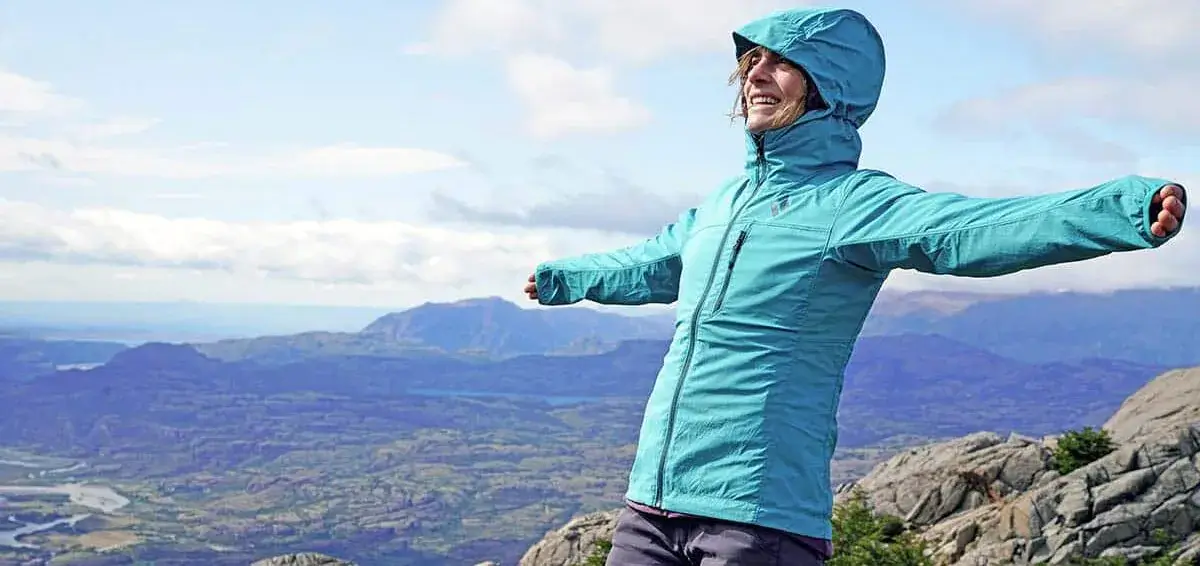

A light jacket has two jobs. It should block wind, and it should let sweat out. Those goals pull in opposite directions. That is why breathability in lightweight jackets is one of the first things worth checking before you buy.
Why Breathability Matters
Your body gives off moisture all the time, even when you feel dry. When you walk fast or climb stairs, the amount goes up. If the jacket traps that moisture, your base layer gets damp. Damp clothing feels cold once you stop moving.
Breathability in lightweight jackets solves that. A breathable fabric lets vapor pass through while it blocks wind and light rain. You stay drier, and you stay warmer when the air cools off.
Breathable Jacket Fabrics
Breathable jacket fabrics come in a few types. Cotton-nylon mixes feel soft and let air move. Thin polyester and nylon weaves breathe well when the weave is not too tight. Fabrics with a membrane use microscopic pores that let vapor out but keep liquid water from coming in.
Fiber choice matters too. Natural fibers absorb moisture, then dry slowly. Synthetic fibers move moisture along the surface and dry fast. For active use, synthetics usually win.
A wholesale Lightweight Jackets selection often mixes these fabrics so shoppers can pick between a soft cotton feel and a technical nylon shell.
Windproof Clothing Materials
Windproof clothing materials work by closing gaps. A tight weave leaves little space for air to pass. Some jackets add a thin film or coating that seals the fabric further.
The trade-off is simple. The more wind a fabric blocks, the less air passes through it. A fully windproof shell can feel stuffy during hard exercise. Many makers now use fabrics that stop most wind and still move some vapor.
Look for wording like “wind resistant” and “windproof.” Resistant means it slows wind. Proof means it blocks nearly all of it. Neither is wrong. They suit different days.
Air Permeability in Fabrics
Air permeability in fabrics is a lab measure. Testers push air through a fabric sample and record how much passes. A low number means little air gets through. A high number means the fabric breathes freely.
For a casual jacket, a mid-range number works well. For a jacket meant to block gusts on a ridge, a low number is better. You will rarely see these figures on a label, but they explain why two similar jackets feel different.
A simple home test helps. Hold the fabric to your mouth and blow. If you feel air easily, it breathes well. If you feel almost nothing, it blocks the wind well.
Lightweight Outerwear Construction
Lightweight outerwear construction shapes how a jacket performs. Thin fabric is only part of it. Seams, vents, and lining matter just as much.
Mesh lining lets air circulate against the body. Underarm vents or back vents release heat on warm days. Unlined jackets weigh less and pack small, while partial linings add a bit of warmth around the chest and back.
Stitching also counts. Flat seams cut bulk and rub. Bar-tacked stress points hold up under strain. A well-built light jacket often outlasts a heavier one with weak seams.
Wind Protection Clothing for Real Days
Wind protection clothing earns its place on days that start cool and end warm. A thin shell cuts wind chill, which can make 50 degrees feel like 40. It also weighs almost nothing in a bag.
Windbreakers are the classic choice. They have a simple cut, a hood or collar, and a zip front. A wholesale Windbreakers Jacket range fits runners, cyclists, and commuters who want protection without heat.
Look at the hem and cuffs. Elastic or adjustable edges stop wind from creeping up your sleeves and under the jacket. A drawcord at the waist helps on blustery days.
Layering for Changing Weather
Layering for changing weather is easier with a light shell. Start with a thin base layer that wicks sweat. Add a fleece or sweater if you need warmth. Top it with a light jacket to cut the wind.
The shell stays on in the wind and comes off in the sun. Because it packs small, you can stuff it in a bag without thinking.
Keep the layers loose enough to move air. A tight stack of clothes holds heat and moisture. A loose stack lets both escape.
A good rule: you should feel slightly cool when you start walking. You will warm up in five minutes. If you start out warm, you will overheat.
Care Tips That Protect Breathability
Dirt and body oils clog fabric pores over time. A jacket that once breathed well can feel stuffy after a season of use. Wash it as the care label says, using mild detergent and no fabric softener. Softener coats fibers and blocks moisture movement.
Dry the jacket on low heat if the label allows it. Gentle heat helps revive water-repellent finishes. Store it loosely, not crushed in a drawer.
Choosing the Right Jacket
Think about how you will use it. For fast, sweaty activity, pick a breathable fabric with vents. For still, windy days, pick a tighter weave. For travel, pick the lightest one that still blocks a gust.
Breathability in lightweight jackets comes down to balance. Block the wind you need to block, and let out the moisture you do not want. Check the fabric, the vents, and the fit, and you will find a jacket that works for most days.
