
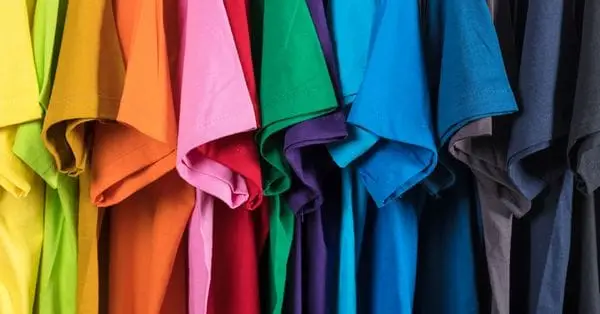

Executing a flawless custom apparel project requires an analytical understanding of fabric composition, dye chemistry, and press mechanics. When print shop owners, merchandise coordinators, and creative entrepreneurs prepare for upcoming seasonal campaigns, discussions often revolve around artwork separations, Pantone swatches, and turnaround deadlines. Overlooking the foundational garment can quickly compromise even the most sophisticated digital art files, leading to blurred halftones, ink fibrillation, or scorching under conveyor dryers.
Selecting suitable base garments demands an evaluation that extends far beyond picking a general colorway or hunting for the cheapest unit price. Sourcing dedicated Wholesale T Shirts for Printing ensures that decorators work with smooth, tightly knit surfaces engineered specifically to withstand automated screen friction, high-heat flashing, and industrial curing tunnels.
Fabric Composition and Surface Knit Architecture
The physical behavior of an ink deposit depends directly on the fiber structure of the base garment. Natural cotton and synthetic polyester fibers react completely differently when exposed to liquid ink binders and curing heat chambers.
Combed ring-spun cotton offers an optimal ground for water-based, plastisol, and direct-to-garment processes because the natural cellular fibers absorb liquid binders smoothly. This uniform absorption allows fine lines, detailed vector curves, and micro-typography to cure cleanly without bleeding into adjacent knit channels.
Blended textiles featuring cotton and polyester deliver enhanced wrinkle resistance and athletic drape, but they demand low-bleed ink chemistry to prevent polyester dye sublimation during high-temperature oven cycles.
Navigating Vibrant Pigments and Dye Stability
Printing vibrant, high-energy garments introduces distinct challenges for press technicians managing ink opacity and color fidelity. Ordering a high-impact base like a Bulk Red T Shirt provides an eye-catching foundation for athletic teams, collegiate spirit merchandise, and energetic marketing activations, but the underlying red disperse dye requires disciplined press management.
When saturated crimson or scarlet fabrics pass under flashing units or through conveyor dryers, volatile fabric dyes can gasify, rising through wet ink layers and turning crisp white graphics into muddy pinks.
Print facilities overcome dye migration on bold grounds by printing an opaque, low-bleed blocker underbase followed by low-cure top inks. This barrier prevents dye sublimation before it starts, keeping graphics sharp, bright, and true to the original design.
Ring-Spun Smoothness vs. Coarse Open-End Fibers
The yarn spinning method used to manufacture blank apparel directly influences the longevity and texture of the cured print. Standard promotional blanks built from open-end carded yarns leave short, broken fiber ends across the fabric surface.
These loose ends absorb liquid inks unevenly and tend to lift through the cured ink film after standard household washing, resulting in a fuzzy, weathered appearance known as surface fibrillation.
High-grade blanks made from combed, ring-spun cotton eliminate these irregular fibers. Tightly twisted long-staple cotton creates a flat, compact surface that clears squeegees cleanly and keeps printed artwork smooth through dozens of laundry cycles.
Sizing Distribution and Inventory Discipline
Managing a profitable printing job requires realistic inventory staging based on proven adult sizing curves. Guessing size splits without consulting historical data leads to stock imbalances that tie up operating cash in unsold edge sizes while core sizes run out prematurely.
Structuring volume purchases around predictable sizing ratios ensures smooth fulfillment across large corporate programs, school orders, and retail drops.
Calculating Standard Sizing Ratios
In general corporate, collegiate, and retail streetwear printing, demand clusters heavily around large and extra-large sizes. Ordering an equal split across small, medium, large, and extra-large sizes results in quick stockouts for middle sizes and leaves unwanted outer sizes on the shelf.
A reliable adult distribution curve allocates roughly ten percent to small, twenty-five percent to medium, thirty-five percent to large, twenty percent to extra-large, and ten percent to double extra-large.
Adjusting these ratios based on historical customer demographics prevents dead stock from piling up in storage rooms while ensuring popular sizes remain available throughout production runs.
Establishing Protective Buffer Reserves
Always factor in a five to eight percent blank reserve across core sizes when ordering stock for custom print jobs. Misprints happen during initial registration setup, ink adjustments can spot an edge garment, and clients regularly ask to add extra units right before delivery.
Keeping a small buffer of clean, unprinted blanks protects print shops from placing emergency short-run reorders that carry high machine setup fees and express freight surcharges.
Unused blank inventory remains an adaptable, highly liquid asset that can easily be rolled into upcoming client jobs, staff uniform runs, or promotional sample packages.
Supply Chain Reliability and Logistics Discipline
Maintaining an efficient production schedule requires consistent blank availability and transparent shipping tracking. Running out of critical mid-sizes halfway through a production run idles expensive machinery, disrupts scheduling, and puts client delivery commitments at risk.
Establishing strong relationships with verified commercial suppliers protects print operations from sudden warehouse stockouts during peak seasonal demand.
Reliable Sourcing with Simplstc Apparel
Commercial printing businesses and independent apparel brands need supply partners who provide transparent warehouse stock counts and prompt freight dispatch. When suppliers face unexpected backorders, print runs stall and client distribution dates are missed.
Partnering with dependable distributors like Simplstc Apparel gives brand managers and decorators reliable access to premium blanks with matching dye lots and consistent sizing across cases. Sourcing blank inventory through dedicated commercial channels via simplstcapparel.com allows teams to plan merchandise programs around verified warehouse data and predictable shipping schedules.
Maintaining a dependable supply pipeline gives your production crew the confidence to book large corporate contracts without worrying about inventory gaps or broken size curves.
See also: Portable Sanitation Logistics for Sporting Events and Tournaments
Pre-Production Inspection Protocols
Establishing an intake inspection routine when delivery cartons arrive protects your business from costly decorating errors. Once a blank garment runs under an automatic press squeegee or embroidery frame, blank apparel distributors cannot accept it for return or refund.
Open cartons upon arrival and verify piece counts and size spreads against your original purchase order before staging items for the press. Pull random samples from each carton to inspect collar ribbing, sleeve hems, and shoulder seams for loose stitching or knitting flaws.
Taking the time to verify blank quality before printing starts ensures smooth production runs and protects your total apparel investment.
Strategic Printing Methods for Blank Apparel
Blank cotton apparel accommodates a wide variety of decorating techniques, allowing print technicians to match the application method to the client’s design and budget.
Water-based inks and direct-to-garment digital printing sink directly into ring-spun cotton fibers, producing a soft, breathable hand feel that moves naturally with the fabric.
Plastisol inks formulated with soft-hand reducers provide bold, opaque coverage for high-visibility athletic logos and multi-color company branding while remaining flexible across the chest.
Direct-to-film transfers deliver fine-line detail and rich gradients for complex, multi-shade emblems and detailed sponsor arrays.
Adding custom finishing touches, such as printed interior neck labels and branded fold-and-polybag packaging, transforms everyday blank shirts into premium, retail-ready merchandise that clients and wearers appreciate.
Delivering Enduring Quality in Custom Print Apparel
Successfully executing custom apparel printing requires balancing digital design requirements with the mechanical and chemical realities of garment construction. Overlooking fabric surface textures or relying on unpredictable retail garments leads directly to shop downtime, misprints, and client dissatisfaction.
By investing in high-caliber print blanks, managing dye migration proactively on saturated grounds, and partnering with verified wholesale suppliers, commercial decorators can scale their production smoothly and maintain healthy profit margins.
A structured approach to garment evaluation transforms custom printing from an unpredictable gamble into a dependable, repeatable manufacturing process that drives long-term business success.
