
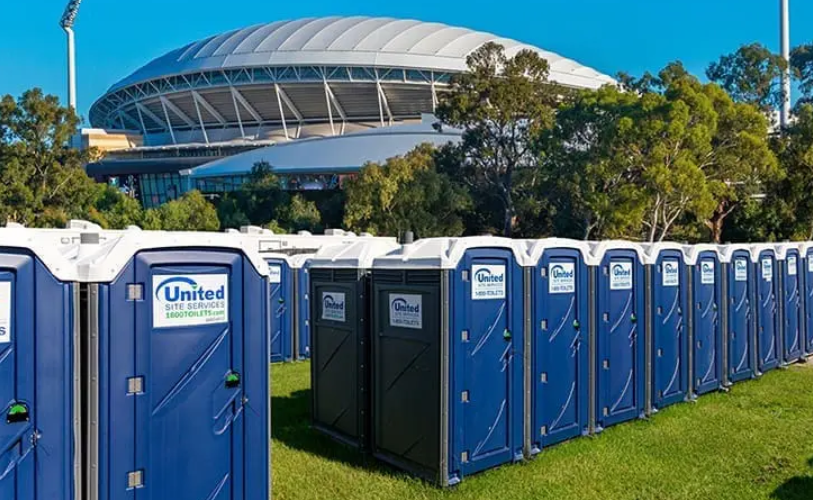

Sporting events and tournaments can bring hundreds or thousands of athletes, coaches, officials, volunteers, vendors, and spectators into the same facility over a short period of time. Restroom access becomes an important part of event logistics, especially when games are spread across multiple fields, courts, parking areas, or temporary venues.
Portable sanitation planning helps event organizers keep restroom access convenient without interfering with competition areas, pedestrian traffic, parking, concessions, emergency access, or maintenance operations. The best setup considers attendance, event length, field layout, service requirements, and the way crowds will move throughout the day.
Start With the Event Schedule
Sanitation planning should begin with the tournament or event schedule. A three-hour youth game creates very different needs from a two-day soccer tournament, weekend baseball event, track meet, or all-day recreational competition.
Organizers should identify when gates open, when games begin, peak attendance periods, breaks between rounds, championship times, and when spectators are expected to leave. Multi-day events also need to account for overnight servicing and next-day preparation.
The restroom plan should support the busiest portion of the schedule, not just average attendance.
Estimate the Total Crowd
Athletes are only one part of the restroom demand. Coaches, referees, parents, spectators, volunteers, concession workers, vendors, medical staff, security personnel, and event staff all contribute to total usage.
Organizers should estimate the number of people expected during peak periods. A tournament with several games running simultaneously may have much higher restroom demand than the registration count suggests because families and spectators accompany the participants.
Planning around the realistic peak crowd helps reduce lines and prevents facilities from becoming overwhelmed.
Consider the Number of Fields or Activity Areas
Large tournaments may use several fields, courts, diamonds, or competition areas spread across a property. One restroom cluster near the main entrance may be inconvenient for participants playing at the far end of the venue.
Working with Rent Porta Johns can help event organizers coordinate portable restroom placement and service around the layout and schedule of a sporting event. Units can be distributed based on where athletes and spectators will actually spend their time.
A well-distributed setup reduces long walks and keeps restroom traffic from concentrating in one part of the property.
Place Restrooms Near Natural Traffic Areas
Portable restrooms should be easy to find without sitting directly in the busiest pedestrian areas. Good locations may include areas near field entrances, parking transitions, concession zones, spectator gathering areas, or the edges of larger competition complexes.
Avoid placing units where lines could interfere with playing surfaces, team staging, emergency routes, or concession traffic. Restrooms should also remain far enough from food preparation and dining areas to keep those spaces comfortable.
The goal is convenience without creating congestion.
Protect Athlete and Official Access
Athletes and officials often have limited time between games, heats, or matches. Restroom placement should allow them to reach facilities without traveling across the entire venue or moving through dense spectator areas.
If possible, organizers should consider how teams enter and exit playing areas. A portable restroom location near athlete circulation routes can reduce unnecessary delays between games.
This becomes especially important at tournaments where schedules are tightly packed and one delayed game can affect the rest of the day.
Include Accessible Restroom Options
Accessible sanitation should be part of the event plan from the beginning. Units should be positioned on reasonably level ground with an accessible approach whenever possible.
Avoid locations that require people to cross deep gravel, mud, steep slopes, curbs, or other difficult surfaces. Accessible units should also be placed where they are genuinely convenient rather than separated far from the main restroom areas.
Thoughtful placement helps the event better serve spectators and participants with different mobility needs.
Plan Around Parking Areas
Parking lots often become major pedestrian routes during tournaments. Families may arrive carrying chairs, coolers, sports equipment, strollers, and bags, while teams move between vehicles and fields.
Portable restrooms can be convenient near parking transitions, but they should not occupy spaces needed for vehicle circulation or create lines in traffic lanes. They should also stay clear of areas used for shuttle buses, team vans, emergency vehicles, or drop-off zones.
Restroom access should complement the parking plan rather than complicate it.
Keep Emergency Routes Clear
Sporting events require reliable access for ambulances, fire vehicles, security, and event staff. Portable toilets should never narrow or obstruct those routes.
Organizers should review emergency access before finalizing restroom locations. Units should remain outside fire lanes, designated emergency paths, gates used by medical teams, and areas that may be needed for evacuation.
This is especially important on temporary event grounds where there may be fewer established service roads.
Plan for Concession and Vendor Areas
Food vendors, merchandise booths, sponsor tents, registration tables, and concession stands create their own crowd patterns. Restrooms should be reasonably convenient to these areas without being positioned directly beside them.
Organizers should anticipate where lines may form. If restroom lines and concession lines cross, pedestrian congestion can become a problem quickly.
A small amount of separation helps each area function more efficiently while keeping restroom access easy to locate.
Account for Long Event Days
An all-day tournament places more demand on portable restrooms than a short evening game. Participants and spectators may remain on-site for six, eight, or even twelve hours.
Long events require closer attention to servicing, supplies, and cleanliness. Organizers should also consider whether crowd levels remain steady throughout the day or spike during certain rounds.
The longer people remain at the venue, the more important it becomes to have a sanitation setup that can maintain acceptable conditions throughout the schedule.
Plan for Multi-Day Tournaments
Weekend tournaments add another layer of logistics. Restrooms that work well on Saturday need to be ready again when teams return Sunday morning.
Service schedules should be coordinated so units can be cleaned and restocked without interfering with games or early arrivals. Overnight access may need to remain open for service vehicles even after event parking areas are closed.
Multi-day planning should include both the competition schedule and the maintenance schedule.
Protect Service Access
Portable restrooms need to remain reachable for servicing. During a tournament, tents, parked vehicles, equipment trailers, vendor trucks, temporary fencing, and spectator areas can gradually block the original access route.
Organizers should keep service lanes clear throughout the event. Staff and vendors should know which areas cannot be used for storage or parking.
A unit that cannot be serviced may quickly become a problem during a high-attendance event.
See Also: Electric Dermatology Chairs Price in India: What Changes the Cost
Prepare for Weather
Weather can change both crowd behavior and site conditions. Rain may turn grass or unpaved areas into mud, making restroom access difficult. High temperatures can increase the importance of cleanliness and servicing, while wind may affect temporary event layouts.
Units should be placed on stable, reasonably level ground. Organizers should avoid low areas where water may collect or locations likely to become inaccessible after rain.
If the event lasts several days, restroom placement should be able to handle changing conditions instead of working only in ideal weather.
Think About Evening Events
Some tournaments continue after sunset or include early morning games. Restroom locations that are easy to find during daylight may become harder to navigate after dark.
Event organizers should consider nearby lighting, pedestrian routes, and visibility. Restrooms should not be hidden behind equipment trailers, temporary fencing, or isolated areas.
Clear signage can also help spectators find facilities without wandering through team-only or restricted areas.
Use Signage to Direct Attendees
Large sporting complexes can be confusing for visitors who have never been there before. Restroom signage can reduce unnecessary questions and help distribute crowds among multiple locations.
Signs may be useful near entrances, field clusters, concession areas, and major intersections of pedestrian routes. If several restroom groups are available, directing people toward the nearest one can reduce pressure on a single location.
Good signage makes the entire sanitation plan work more effectively.
Monitor Conditions During the Event
Even a carefully planned setup should be monitored. Organizers or designated staff should periodically check restroom areas for cleanliness, supplies, crowding, blocked access, and surrounding trash.
If one location is seeing much heavier use than expected, signage or staff direction may help distribute traffic. Problems should be addressed early rather than waiting until participants begin complaining.
Active monitoring is particularly important during long or high-attendance tournaments.
Include Sanitation in Staff Planning
Volunteers and event staff should know where portable restrooms are located and who to contact if there is a problem. Registration teams, field marshals, security staff, and tournament directors are often the first people attendees approach with questions.
Providing staff with basic sanitation information helps problems reach the right person faster. It also makes it easier to guide visitors toward less crowded restroom locations.
Sanitation works best when it is integrated into the broader event operations plan.
Schedule Removal After the Event Clears
Portable restroom removal should be timed around event breakdown. Removing units while spectators, vendors, or teams are still on-site can create unnecessary conflicts.
At the same time, organizers may want the units removed promptly once the event is complete so parking areas, fields, or temporary event spaces can return to normal use.
The final schedule should account for cleanup crews, vendor departure, equipment removal, and any post-event activities still happening on-site.
Avoid Common Sporting Event Sanitation Mistakes
One common mistake is placing all portable restrooms in one convenient location even when the event covers a large area. Another is estimating restroom needs based only on athletes while ignoring spectators, staff, and volunteers.
Organizers should also avoid putting units where service vehicles cannot reach them, overlooking accessible options, or waiting until the event begins to think about signage.
A better approach is to plan around peak attendance, crowd movement, field layout, event duration, and service access from the beginning.
Portable sanitation logistics for sporting events and tournaments should support the way athletes, spectators, officials, and staff move through the venue. Restroom planning affects convenience, crowd flow, accessibility, parking, service operations, and the overall experience of a long event day.
By estimating realistic attendance, distributing units across activity areas, protecting emergency and service access, accounting for weather, and monitoring conditions during the event, organizers can build a sanitation plan that works alongside the competition schedule. Proper planning keeps restroom access simple and predictable so everyone can spend more time focused on the event itself.

[…] See also: Portable Sanitation Logistics for Sporting Events and Tournaments […]